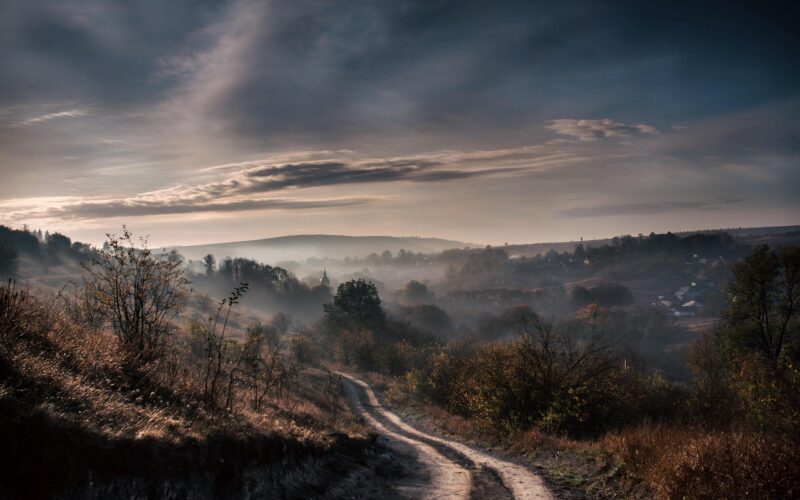
For years, the standard first date has followed a predictable script: meet at a dimly lit bar, order a round of overpriced cocktails, and engage in what often feels like a formal interview. While this formula has worked for decades, a significant shift is occurring in the modern dating landscape. Singles are increasingly trading bar stools for walking boots, seeking connection through shared activity rather than alcohol consumption. This 'active dating' trend is not just about fitness; it represents a growing desire for more authentic, low-pressure interactions. Whether it is a gentle stroll through a local park or a challenging trek up a hill, taking a date outdoors changes the dynamic completely. It moves the focus from staring at each other across a table to looking forward in the same direction, creating a solid foundation for genuine connection that a crowded pub simply cannot match.
Breaking the ice naturally
One of the most immediate advantages of an active date is how effectively it dismantles the awkward tension typical of face-to-face encounters. When you sit directly across from a stranger in a cafe or bar, the pressure to maintain constant eye contact and a steady stream of witty conversation can be paralysing. Hiking or walking creates a 'side-by-side' dynamic which is psychologically less confrontational. The rhythm of walking naturally paces the conversation, and the surrounding environment offers an endless supply of external talking points. If there is a lull in the chat, it does not feel like an awkward silence; it simply feels like a shared moment to appreciate the view. This relaxed atmosphere allows personalities to unfold more organically, helping both parties feel at ease much faster than they would in a formal, static setting.
The chemistry of outdoor exercise
There is a biological reason why dates often feel better when you are moving. Physical activity releases endorphins, the body's natural mood elevators, which help reduce anxiety and promote feelings of happiness. On a traditional date, nerves can often manifest as stiffness or guarded behaviour. On a hike, the physical exertion helps burn off that nervous energy, leaving you feeling more confident and open. Furthermore, being in nature has been scientifically proven to lower cortisol levels, the hormone associated with stress. When you combine the endorphin rush of exercise with the calming influence of the great outdoors, you create an environment where positive associations are formed. You are not just getting to know someone; you are sharing a 'feel-good' experience that biologically predisposes you to like each other more.
Authenticity over performance
Traditional dates often encourage a high degree of performance. We dress up in our smartest clothes, curate our stories, and present a highly polished version of ourselves. Active dates, by contrast, strip away much of this artifice. It is difficult to maintain a cool facade when you are negotiating a muddy path or are slightly out of breath from a steep incline. You get to see how a potential partner handles real-world situations: do they complain when it starts to drizzle, or do they laugh it off? Are they supportive if you stumble? Seeing someone in their natural state, wearing practical clothing and devoid of the 'dinner date mask', offers a much clearer insight into their true character. It fosters a sense of vulnerability and authenticity that can fast-track intimacy and trust in a way that rehearsed dinner conversation cannot.
A cost-effective way to connect
While discussing money on a first date is generally taboo, the financial reality of dating is a valid concern for many. A night out involving dinner and drinks can quickly become expensive, adding an extra layer of pressure to the evening. Active dates are democratising the search for love by being accessible and affordable. A hike costs nothing but the fuel or fare to get to the trail, and a post-walk coffee is significantly cheaper than a round of artisan cocktails. This low financial barrier removes the transactional feel that sometimes plagues dinner dates, where one person might feel obligated to pay. It levels the playing field, ensuring the focus remains squarely on the connection between two people rather than the quality of the service or the price of the wine.
Finding common ground
Ultimately, choosing an active date signals a shared lifestyle value right from the start. If you are someone who prioritises health, nature, and adventure, meeting someone for a hike immediately establishes a common ground. It acts as a natural filter, ensuring you are spending time with someone whose idea of a good time aligns with yours. This does not mean you need to be an elite athlete; it simply means you both value experiences over passive consumption. By starting your relationship in the great outdoors, you are setting a precedent for a partnership built on shared adventures and healthy choices, rather than just shared hangovers. So, next time you are swiping right, suggest a scenic walk instead of a drink—you might just find the path to romance is much clearer in the fresh air.